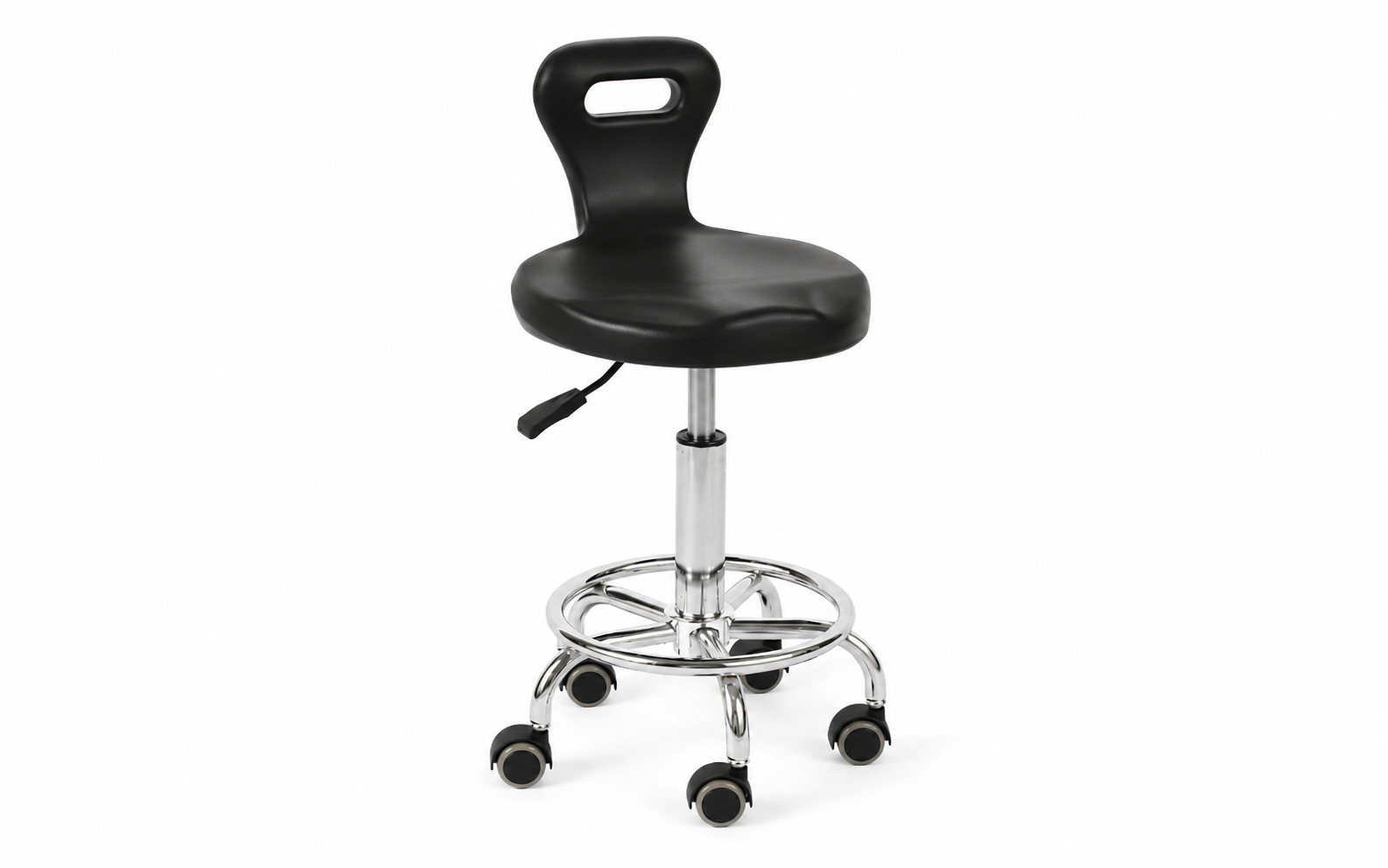
As international laboratory projects continue expanding across North America and Latin America, organizations are placing greater emphasis on creating consistent workplace standards across every facility they operate. Mexico has become an important destination for pharmaceutical research, biotechnology development, medical testing, industrial quality control, and academic collaboration. With laboratories often working under shared protocols and multinational management structures, standardization is no longer limited to scientific equipment and testing procedures. Laboratory furniture, particularly laboratory chairs, has become an important part of creating a unified operational environment. For procurement managers, laboratory directors, distributors, and furniture suppliers, establishing consistent chair standards helps simplify purchasing decisions, improve employee experiences, and support long-term operational efficiency. From a B2B perspective, standardization also creates opportunities for suppliers to provide scalable solutions that can be implemented across multiple laboratory locations.
One of the biggest challenges facing international laboratory projects is balancing global consistency with local operational requirements. Laboratories may operate in different regions, yet they often require the same level of comfort, hygiene, durability, and ergonomic support. An industrial polyurethane with chrome foot ring and casters adjustable laboratory chair offers a practical foundation for standardization because it combines features that meet the needs of a wide range of laboratory applications. The polyurethane surface is durable, easy to clean, and resistant to many common laboratory substances, making it suitable for research, healthcare, and industrial environments. The chrome foot ring supports users working at elevated benches, while casters provide mobility between workstations. By adopting a chair model with these versatile characteristics, international organizations can create a consistent seating standard without sacrificing functionality at the local level.
Another important consideration is procurement efficiency. International projects frequently involve multiple purchasing teams, regional suppliers, and complex approval processes. Without standardized chair specifications, laboratories may acquire different products that vary in quality, dimensions, ergonomic performance, and maintenance requirements. This inconsistency can increase training requirements, complicate inventory management, and raise long-term ownership costs. The industrial polyurethane with chrome foot ring and casters adjustable laboratory chair helps address these challenges by providing a standardized solution that can be deployed across multiple facilities. For Mexican distributors, offering products that align with international procurement standards creates a significant competitive advantage. Organizations prefer suppliers capable of supporting large-scale projects with reliable product availability, technical documentation, and consistent quality across all locations.
Standardization also contributes to employee satisfaction and operational performance. Researchers, technicians, and laboratory professionals often collaborate across different facilities and may relocate between project sites. Consistent seating standards help create a familiar working environment that supports productivity and reduces adjustment periods. The industrial polyurethane with chrome foot ring and casters adjustable laboratory chair provides ergonomic benefits that can be applied across various laboratory configurations, helping organizations maintain workplace consistency regardless of location. This approach supports occupational health initiatives while ensuring that employees have access to reliable seating that meets established corporate standards. For B2B buyers, demonstrating measurable benefits such as improved comfort, reduced maintenance requirements, and enhanced workflow efficiency strengthens the business case for standardization.
As international laboratory investments continue growing in Mexico, the demand for unified furniture standards is expected to increase. Laboratories are seeking procurement strategies that reduce complexity, improve operational control, and support long-term scalability. Distributors and laboratory furniture suppliers that understand these priorities can position themselves as strategic partners rather than simple vendors. By recommending standardized seating solutions, they help organizations create consistent laboratory environments while simplifying purchasing and maintenance processes. An industrial polyurethane with chrome foot ring and casters adjustable laboratory chair represents an effective option for supporting these goals, offering durability, mobility, ergonomic performance, and procurement efficiency within a single solution. In a highly competitive global laboratory market, standardized chair programs can help organizations improve performance, strengthen compliance efforts, and achieve sustainable growth across all project locations.