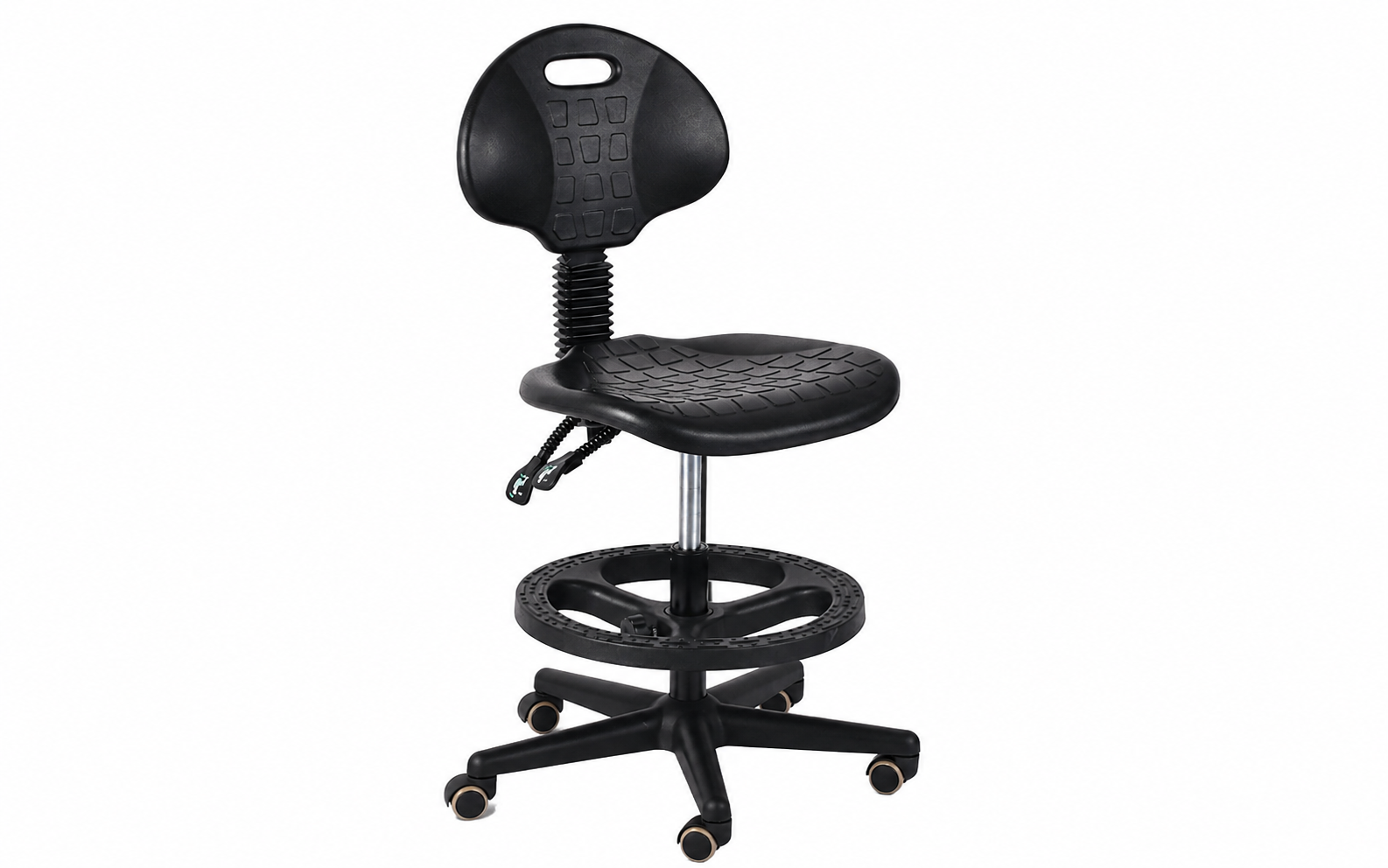
Laboratory expansion projects across Mexico are creating new opportunities for research institutions, healthcare organizations, pharmaceutical companies, environmental testing facilities, and industrial quality-control laboratories. While major investments are often directed toward analytical equipment, infrastructure, and technology, laboratory seating remains a critical component of workplace efficiency that deserves careful budget allocation. Effective budgeting for laboratory chairs requires procurement managers to move beyond simple unit-price comparisons and adopt a strategic approach that considers productivity, ergonomics, operational continuity, and future scalability. One of the most effective methods involves classifying seating requirements according to workstation function, user intensity, and expected operational lifespan. High-use laboratory environments demand seating solutions capable of supporting employees for extended periods while maintaining comfort and structural integrity. The industrial polyurethane with chrome foot ring and casters adjustable laboratory chair is increasingly selected in expansion projects because it combines ergonomic support, mobility, chemical resistance, and durability within a single product platform. Rather than allocating budgets equally across all furniture categories, forward-thinking laboratories prioritize seating investments based on operational impact. This approach helps reduce long-term replacement costs while supporting employee performance and workplace satisfaction. For B2B buyers, effective budget allocation also creates opportunities to standardize seating specifications across multiple departments, enabling larger purchasing volumes and improved negotiation leverage with suppliers. Mexican distributors and laboratory furniture providers can further support this process by helping customers identify scalable product solutions that align with both current requirements and future expansion objectives. By integrating procurement planning with broader organizational growth strategies, laboratories can maximize the return on every seating investment while maintaining financial discipline throughout the expansion process.
Another important aspect of budget allocation involves evaluating total lifecycle value rather than focusing exclusively on upfront acquisition costs. Many laboratories make the mistake of selecting lower-cost seating options without fully considering maintenance expenses, replacement frequency, productivity impacts, and long-term operational requirements. Expansion projects often create pressure to control budgets, but cost-driven decisions can lead to higher expenses over time if seating products fail to meet performance expectations. The industrial polyurethane with chrome foot ring and casters adjustable laboratory chair offers a useful example of how lifecycle thinking can improve budgeting outcomes. Its durable materials, ergonomic features, and adaptable design help reduce maintenance needs and support extended service life, generating value that extends far beyond the initial purchase price. Procurement managers should therefore evaluate laboratory chair budgets using a total cost of ownership framework that incorporates durability, warranty coverage, service requirements, and replacement projections. This methodology enables organizations to allocate resources more accurately while minimizing unexpected future expenditures. Additionally, expansion projects often involve phased implementation schedules, creating opportunities to align seating purchases with construction milestones, staffing growth, and operational readiness plans. Staggered procurement strategies help laboratories preserve cash flow while ensuring that resources remain available when needed. For distributors serving the Mexican market, supporting customers with lifecycle cost analysis and phased procurement planning creates stronger B2B relationships and positions the supplier as a strategic partner rather than a transactional vendor. Such collaboration not only improves purchasing outcomes but also increases customer confidence in long-term procurement decisions. As laboratories continue expanding throughout Mexico, lifecycle-based budgeting is becoming an increasingly important tool for balancing financial constraints with operational excellence.
Long-term success in laboratory expansion projects depends on the ability to create flexible budgeting frameworks that support future growth while maintaining procurement efficiency. Expansion rarely ends with a single facility upgrade, and many organizations anticipate additional hiring, new laboratory capabilities, or regional growth initiatives. Consequently, budget allocation strategies should include provisions for scalability and future procurement requirements. The industrial polyurethane with chrome foot ring and casters adjustable laboratory chair is particularly valuable within this context because its versatile design allows laboratories to deploy a consistent seating solution across multiple environments, including research laboratories, healthcare facilities, educational institutions, and industrial testing centers. Standardization simplifies procurement management, reduces training requirements, and improves inventory control for replacement components and maintenance resources. For B2B customers, these benefits contribute directly to lower operational costs and greater purchasing efficiency. Procurement managers should also collaborate closely with suppliers and distributors to develop forecasting models that anticipate future seating needs and support long-term budget planning. Volume purchasing agreements, framework contracts, and strategic inventory programs can help laboratories secure favorable pricing while ensuring product availability during future expansion phases. In addition, organizations should periodically review seating performance data and employee feedback to refine budgeting assumptions and improve future investment decisions. By treating laboratory chairs as strategic assets rather than routine furniture purchases, laboratories can create budgeting systems that deliver measurable business value. Effective budget allocation ultimately supports employee well-being, operational productivity, procurement efficiency, and organizational growth. In Mexico’s increasingly competitive laboratory sector, laboratories that adopt a structured, lifecycle-oriented, and scalable budgeting approach will be better positioned to achieve sustainable expansion while strengthening relationships with distributors, suppliers, and other B2B stakeholders throughout the procurement ecosystem.
READ MORE
How Can Buyers in Mexico Compare the Advantages of Different Laboratory Chair Suppliers?
How Can Corporate Groups Establish Unified Procurement Standards for Laboratory Chairs?
Why Is the Regional Distributor Model Driving Growth in Mexico’s Laboratory Chair Market?
How Can Buyers in Mexico Compare the Advantages of Different Laboratory Chair Suppliers?
How Can Distributors in Mexico Optimize Inventory Turnover for Laboratory Chairs?