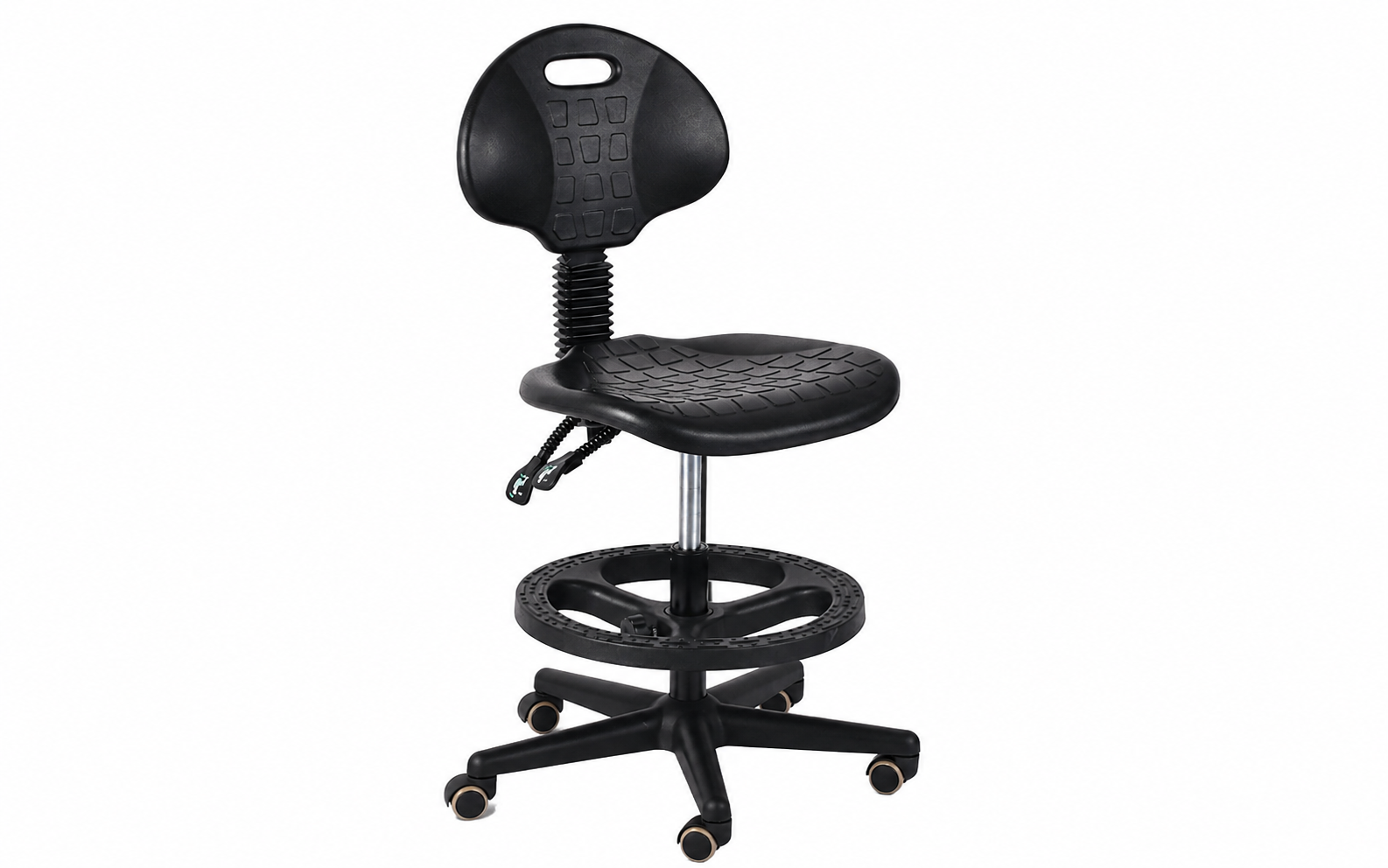
As laboratories throughout Mexico continue expanding their operations in pharmaceuticals, biotechnology, healthcare diagnostics, environmental testing, food safety, and industrial research, procurement departments are under increasing pressure to improve efficiency while controlling operational expenses. One of the most overlooked opportunities for cost optimization involves the standardization of laboratory chair specifications. Many laboratories purchase seating equipment through fragmented procurement processes, resulting in multiple chair models, inconsistent product quality, varying maintenance requirements, and unnecessary inventory complexity. Standardization creates a more structured purchasing strategy by defining a specific set of approved chair specifications that can be deployed across departments, facilities, and future expansion projects. This approach allows procurement teams to negotiate stronger agreements with suppliers, leverage volume purchasing advantages, and reduce administrative costs associated with evaluating multiple product categories. A frequently selected solution in modern laboratories is the industrial polyurethane with chrome foot ring and casters adjustable laboratory chair because it combines durability, ergonomic functionality, mobility, and adaptability within a standardized platform. For B2B buyers, selecting a common specification across different laboratory environments simplifies procurement planning while ensuring consistent user experiences. Mexican distributors can also benefit because standardized purchasing programs create predictable order volumes and long-term customer relationships. Instead of processing numerous small and highly customized requests, suppliers can focus on supporting scalable purchasing programs that improve inventory forecasting and operational efficiency. Standardization therefore becomes more than a purchasing decision; it evolves into a strategic framework that reduces procurement complexity while creating measurable financial benefits for laboratories and their supplier networks.
Beyond purchasing efficiency, standardization plays a critical role in reducing lifecycle costs and improving resource management. Laboratories that operate multiple chair models often encounter challenges related to spare parts inventory, maintenance procedures, staff training, and replacement planning. Different products frequently require unique components, varying service schedules, and separate supplier relationships, all of which increase operational overhead. By adopting standardized specifications, organizations can streamline maintenance programs and reduce the number of replacement components required to support daily operations. The industrial polyurethane with chrome foot ring and casters adjustable laboratory chair provides an excellent example of how a standardized seating platform can simplify long-term asset management. Because the same model can often be utilized across research laboratories, testing facilities, healthcare environments, and educational institutions, maintenance teams can develop consistent service procedures while minimizing inventory requirements. This approach significantly reduces downtime and improves equipment utilization rates. Furthermore, procurement managers gain greater visibility into asset performance because product data becomes easier to track and analyze across multiple facilities. Standardized seating also supports more accurate budgeting and forecasting. Laboratories can estimate replacement cycles, maintenance expenses, and expansion costs with greater confidence because product performance remains consistent throughout the organization. For B2B distributors serving the Mexican market, offering standardized seating solutions enables them to provide value-added services such as lifecycle planning, preventive maintenance recommendations, and strategic procurement guidance. These services strengthen customer relationships while creating opportunities for recurring revenue and long-term partnership development. As laboratories increasingly seek operational efficiency, standardized seating programs become an effective tool for reducing costs while improving organizational control.
Another major advantage of standardization is its ability to support scalability and strengthen supplier collaboration during periods of growth. Many laboratories in Mexico are investing in new facilities, expanding testing capabilities, and increasing workforce capacity to meet evolving market demands. Expansion projects often place significant pressure on procurement teams because new departments require additional furniture, equipment, and infrastructure within limited timeframes. Laboratories that already maintain standardized chair specifications can accelerate purchasing decisions and avoid lengthy evaluation processes when expansion opportunities arise. The industrial polyurethane with chrome foot ring and casters adjustable laboratory chair is particularly well suited for this purpose because its versatile design accommodates a wide range of laboratory applications while maintaining consistent performance standards. Procurement managers can confidently reorder established products, reducing decision-making time and improving project execution speed. Standardization also enables suppliers and distributors to maintain more accurate inventory levels, resulting in faster delivery times and improved supply chain reliability. From a B2B perspective, predictable demand patterns help manufacturers optimize production schedules and improve resource allocation, generating cost savings that can often be passed on to customers. Additionally, laboratories that standardize specifications frequently develop stronger strategic partnerships with suppliers because purchasing becomes more collaborative and data-driven. Suppliers gain a clearer understanding of customer requirements, while laboratories benefit from enhanced technical support, volume-based pricing programs, and long-term procurement planning assistance. As competition within Mexico’s laboratory sector continues to intensify, organizations that adopt standardized seating specifications are better positioned to control costs, improve operational efficiency, and support sustainable growth. Ultimately, standardization transforms laboratory chair procurement from a transactional activity into a strategic business practice that generates long-term financial, operational, and competitive advantages for both laboratories and their B2B supplier partners.
READ MORE
How Can Buyers in Mexico Compare the Advantages of Different Laboratory Chair Suppliers?
How Can Corporate Groups Establish Unified Procurement Standards for Laboratory Chairs?
Why Is the Regional Distributor Model Driving Growth in Mexico’s Laboratory Chair Market?
How Can Laboratories Allocate Laboratory Chair Budgets Effectively During Expansion Projects?
How Can Distributors in Mexico Optimize Inventory Turnover for Laboratory Chairs?