In 2026, Mexico is adjusting import tariffs on lab and furniture components. Learn how these changes affect products like the industrial polyurethane with chrome foot ring and casters adjustable laboratory chair and what importers must know to stay compliant.
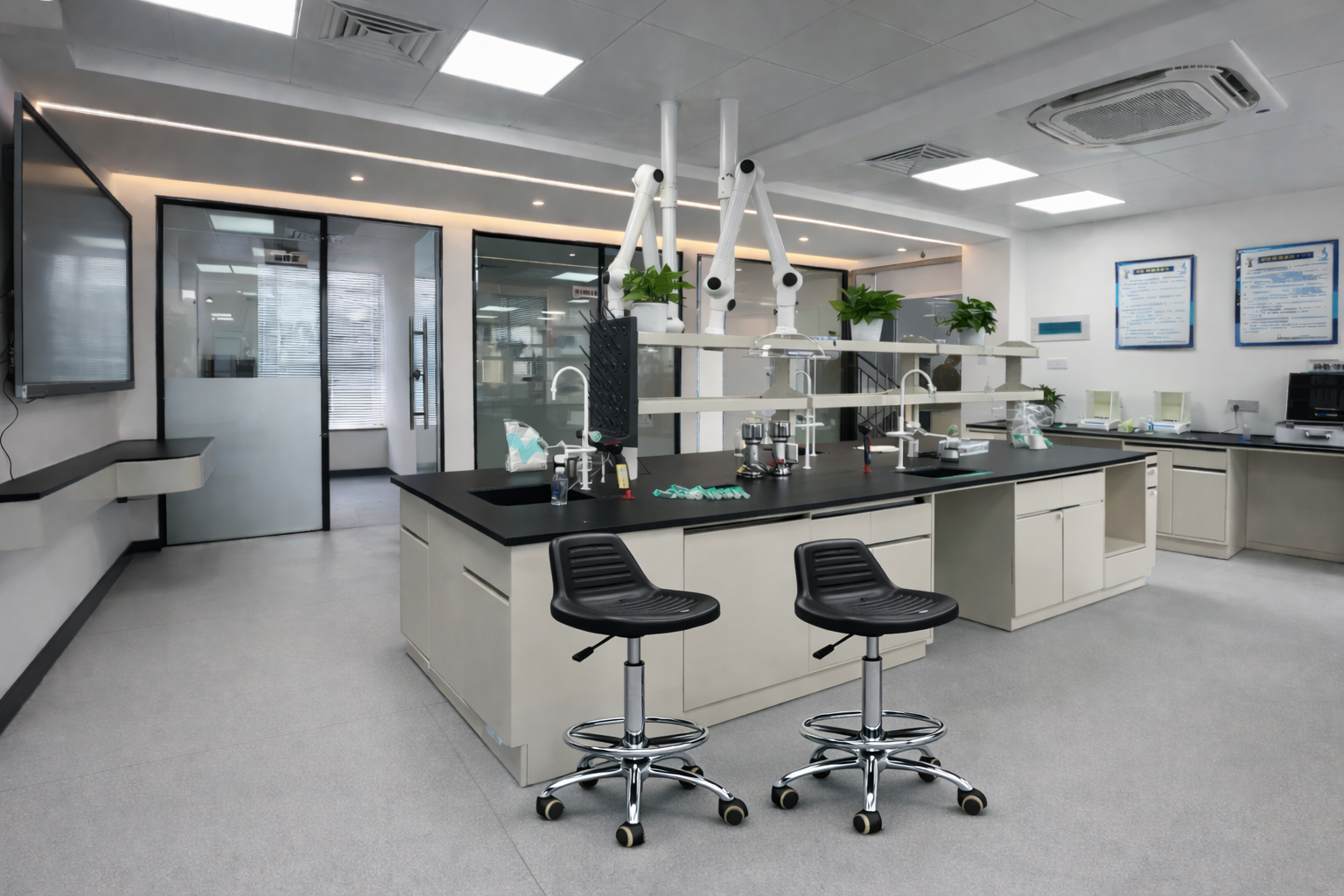
As Mexico strengthens its role as a manufacturing and logistics hub in North America, the landscape of import tariffs on furniture components is evolving. In 2026, importers and manufacturers need to stay informed on tax structures, product classifications, and trade agreements to remain competitive. One of the most impacted product types is the industrial polyurethane with chrome foot ring and casters adjustable laboratory chair, which combines multiple materials and is commonly imported for use in labs, factories, and cleanrooms.
Understanding Mexico’s Import Environment
Mexico’s General Import and Export Tax Law (LIGIE) outlines tariff rates for various product categories, including furniture components. In 2026, key changes include:
Modified HS codes for composite products such as lab chairs
Varying tariff rates depending on country of origin and trade treaties
Special treatment for cleanroom and medical furniture, often eligible for tariff reduction or exemption under specific industrial classification codes
For example, the industrial polyurethane with chrome foot ring and casters adjustable laboratory chair is often categorized under combined codes for metal furniture, seating products, and medical-grade equipment.
Key Trends Affecting Imports
USMCA Influence
Under the United States-Mexico-Canada Agreement (USMCA), components sourced from member countries benefit from reduced or zero tariffs. Importers in Mexico are sourcing PU components and casters from U.S. or Canadian partners to avoid higher duties on Chinese-made alternatives.
Shift Toward Modular Imports
Many importers are now bringing in components (e.g., polyurethane seats, chrome rings, caster sets) separately and assembling them in Mexico. This avoids higher duties on finished products like the complete industrial polyurethane with chrome foot ring and casters adjustable laboratory chair.
Compliance and Certification Requirements
With updated NOM (Mexican Official Standards), lab seating must meet ergonomic and material safety standards—especially for use in educational, healthcare, or laboratory facilities.
Market Demand in Mexico
Mexico’s biotechnology and education sectors are expanding, driving demand for ergonomic, adjustable lab chairs. Universities and testing labs are upgrading equipment, and tender documents increasingly list items such as the industrial polyurethane with chrome foot ring and casters adjustable laboratory chair as a required spec.
These chairs are favored for:
Long-term chemical and abrasion resistance
Ergonomic support with foot rings and adjustable height
Easy movement in dynamic lab environments
Tags: Mexico furniture components, import tariff 2026, lab chair Mexico, polyurethane seating import, industrial polyurethane with chrome foot ring and casters adjustable laboratory chair
READ MORE